Why Bhasani?

A documentary journey into memory, resistance, spirituality
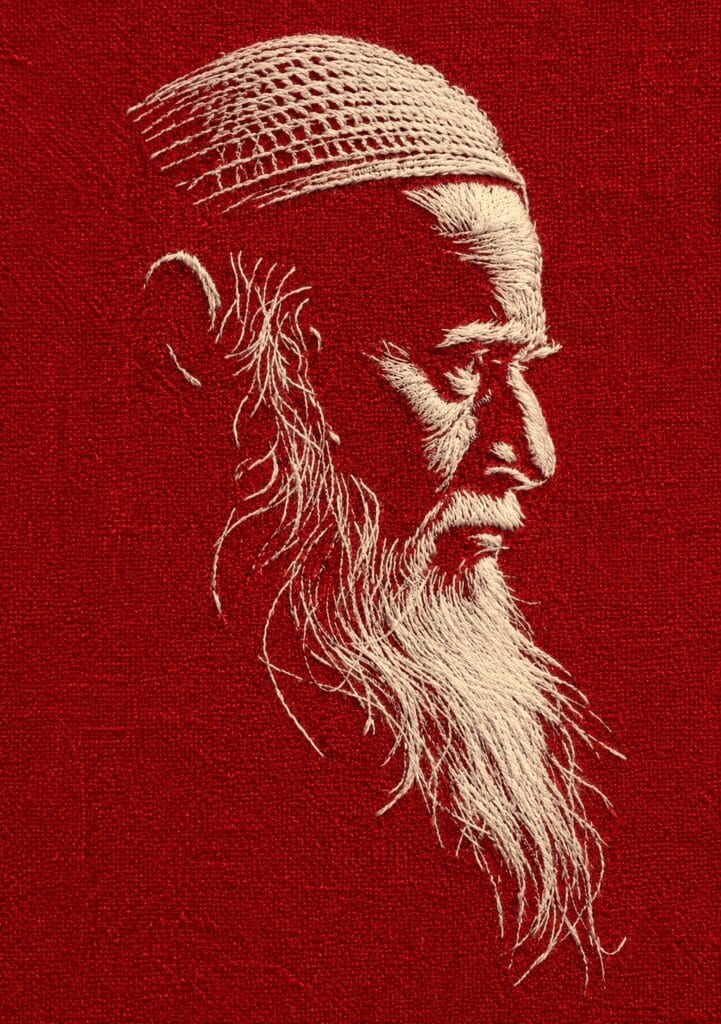
"My leader is not one man alone. My leader is the people — the people of this land". - Bhasani

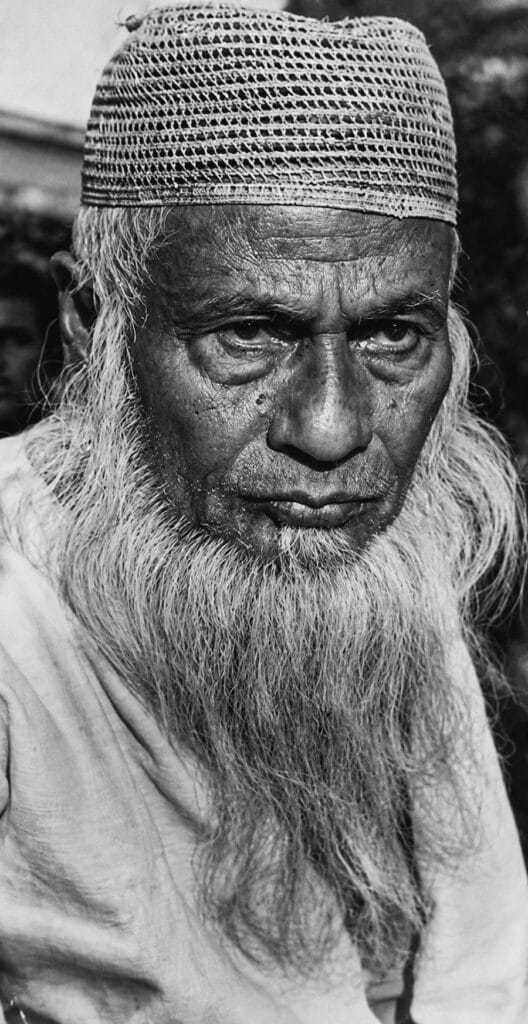
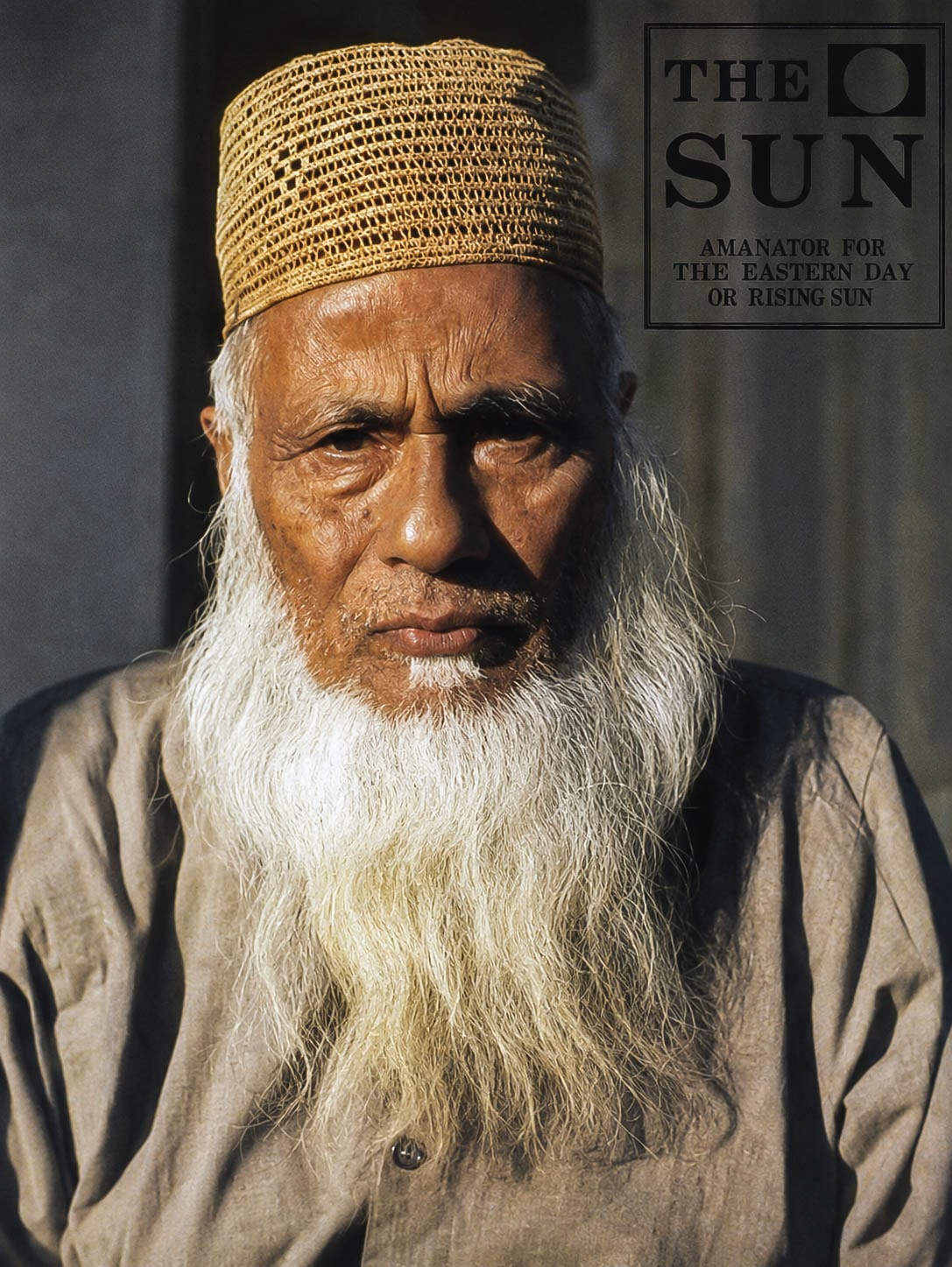
Maulana Abdul Hamid Khan Bhasani (1880-1976)

Maulana Abdul Hamid Khan Bhasani was not born into power. He was an orphan, a learner, and a wanderer shaped by rivers, villages, borders, people, and political storms. His life moved across colonial India, Pakistan, and Bangladesh, but he remained closest to those living at the edge of history.

Some remember him as a sufi, some as a philosopher, some as a peasant leader, and some as a communist. But Bhashani was never easy to contain within one label. His politics grew from experience, faith, hunger, migration, and the suffering of ordinary people. Even the name “Bhasani” was not chosen as a title of authority; it was given to him by the people, becoming a sign of their trust, memory, and belonging.
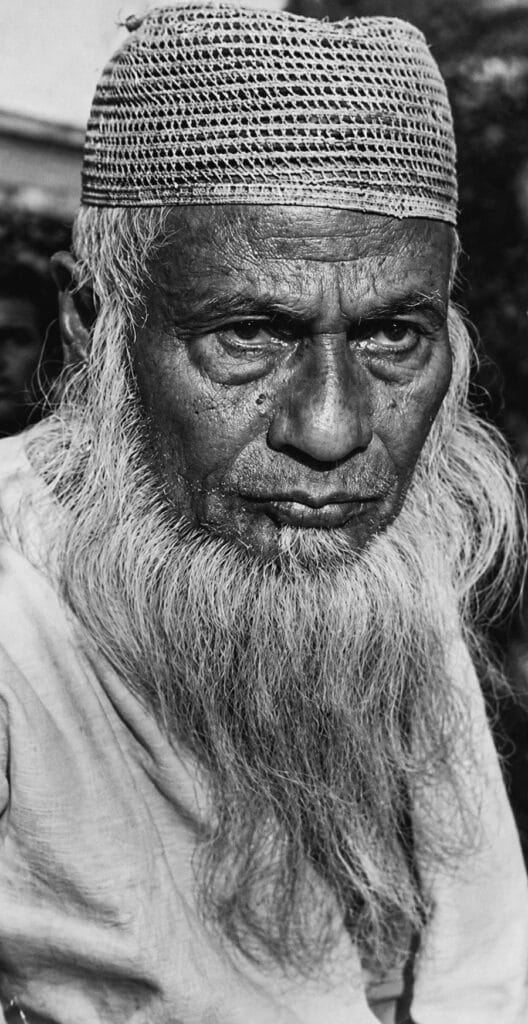
Maulana Abdul Hamid Khan (1880-1976)

Bhasani


Maulana Abdul Hamid Khan Bhasani was not born into power. He was an orphan, a learner, and a wanderer shaped by rivers, villages, borders, people, and political storms. His life moved across colonial India, Pakistan, and Bangladesh, but he remained closest to those living at the edge of history.

Some remember him as a sufi, some as a philosopher, some as a peasant leader, and some as a communist. But Bhasani was never easy to contain within one label. His politics grew from experience, faith, hunger, migration, and the suffering of ordinary people. Even the name “Bhasani” was not chosen as a title of authority; it was given to him by the people, becoming a sign of their trust, memory, and belonging.

A Two-Part Journey

The documentary is imagined as a two-part journey. The first part explores the making of Bhasani: the orphan, the learner, the wanderer, and the soul shaped by people, rivers, faith, and movement. The second part follows the public figure: the peasant leader, anti-imperial voice, spiritual dissenter, and political force remembered by ordinary people across generations.

A Two Part Journey

The documentary is imagined as a two-part journey. The first part explores the making of Bhasani: the orphan, the learner, the wanderer, and the soul shaped by people, rivers, faith, and movement. The second part follows the public figure: the peasant leader, anti-imperial voice, spiritual dissenter, and political force remembered by ordinary people across generations.

Part One

Bhasani the Origin

The Wanderer

Early life, orphanhood, learning, rivers, borders, people, and spiritual formation.

Part Two

Bhasani the Journey

The voice of the opressed

Public life, peasant politics, anti-imperial struggle, Islamic socialism, dissent and legacy.

What the Film Seeks to Uncover

Beyond biography, this project follows Bhashani through the forces that shaped his life, his politics, and his enduring relevance.

The People

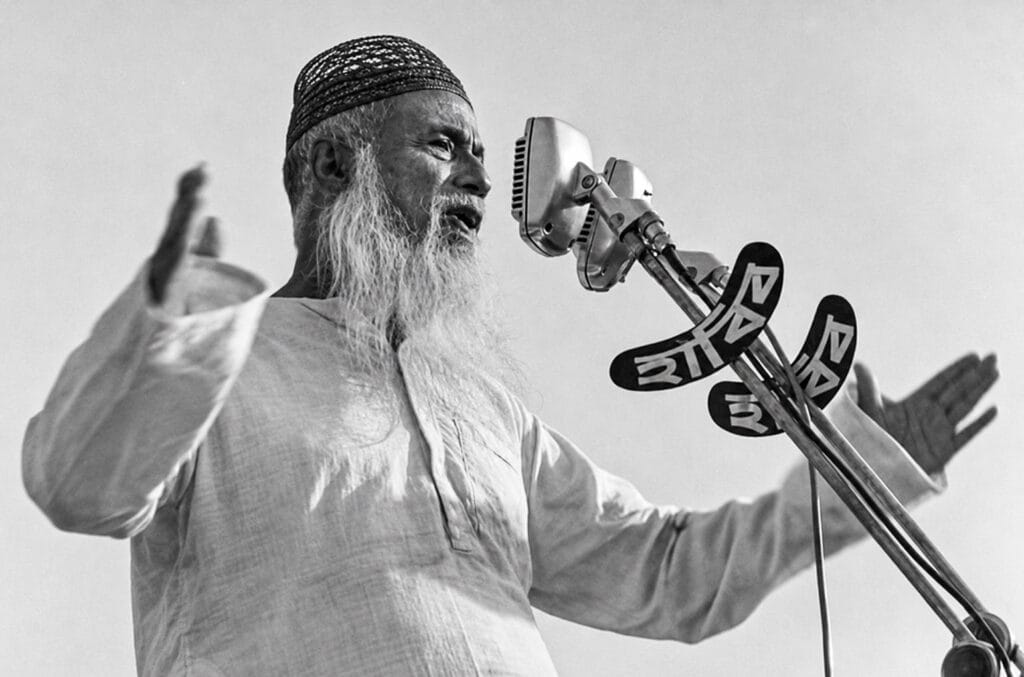
Bhasani’s politics were rooted in the lives of ordinary people: peasants, workers, the landless, and communities pushed to the margins of power. He did not speak from a distance. His leadership grew from direct connection with people’s struggle, their hunger, their faith, and their demand for dignity.

The Soul

Bhasani carried a rare connection between spirituality and resistance. His faith was not separate from politics; it shaped his compassion, courage, and commitment to justice. He spoke in a language people understood, blending moral conviction with political action.

The History

His life moved through British India, Pakistan, and Bangladesh, making him a witness to three major political eras. Through Bhashani, the documentary explores colonial rule, partition, people’s movements, nationalism, dissent, and the unfinished questions of South Asian history.

“To understand Bhasani is to look at South Asian history from the ground, through the lives of peasants, workers, believers, and the politically unheard.”

WHY

This Story Matters?
Bhasani’s life carries the story of a region shaped by colonial rule, migration, political struggle, religious identity, class conflict, and people’s movements...

WHY

Documentary?
Documentary allows this history to be explored through archives, testimony, location, reenactment, and visual memory...

WHY

Now?
For younger audiences, Bhasani’s story can become a way to reconnect with history not as something distant, but as something alive...

Timeline (1880-1976)

Bhasani’s life moved across three major political eras: British India, Pakistan, and Bangladesh. Through each period, his voice remained close to ordinary people, making his story a powerful way to revisit South Asian history from the ground.

  • Union Jack flag draped over a historic stone wall, symbolizing British heritage in Rochester, England.

    British Period (1880-1947)

    Anti-colonial awakening, religious spiritual education, and early political consciousness.

  • Pakistan Era (1947-1971)

    Peasant politics, opposition movements, and mass mobilization.

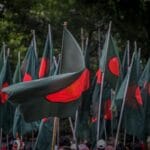
  • A vibrant display of Bangladesh flags during a national celebration outdoors.

    Bangladesh (1971-1976)

    Liberation, dissent, Farakka March, and people-centered politics.

Scholarly Articles on Bhasani

Maulana Bhasani and the transition to secular politics in East Bengal

Peter CustersFormerly Associated Fellow of the International Institute for Asian Studies (IIAS), Leiden University

In The Land of Eternal Eid: Maulana Bhasani and the Political Mobilisation of Peasants and Lower-Class Urban Workers in East Pakistan, c. 1930s-1971.

Dr. Layli Uddin Senior Lecturer Department of Sociology, Politics and International Relations, Queen Mary University of London

Proposed MA Documentary Film

Working Title: Bhasani : The Red Maulana

Format: Short-to-mid length documentary / developing feature documentary

Estimated Runtime: 40–60 minutes/Part

Logline:
A research-led documentary exploring how Maulana Bhasani’s memory survives in contemporary Bangladesh through place, family memory, archive, public history, and the people who still connect his name with justice and resistance.

Short Introduction:  This project is a standalone documentary proposal emerging from my wider research on Maulana Bhasani. Rather than attempting to retell his entire life, the film will look at how his legacy continues to live, fade, and return in the present.

The project is academically rich because Bhasani’s life sits at the intersection of religion, peasant politics, anti-colonial struggle, socialism, secular thought, and the formation of Bangladesh’s political imagination. Existing scholarship has approached him as a spiritual and political leader, a figure of subaltern mobilisation, and a bridge between Islamic thought and left politics. This makes the film more than a biographical project; it becomes a way to explore how faith, class, memory, and people’s movements are remembered through documentary form.

This began as an independent project, but I want to develop it with more care, structure, and documentary discipline. Bhasani’s life gives me a way to explore the questions I keep returning to: how people remember a leader, how history survives outside textbooks, and how the struggles of ordinary people can be shaped into cinema.

The project will use interviews, archival material, location-based filming, and visual reconstruction. Through MA study, I hope to develop the film’s structure, ethical approach, archive strategy, and documentary form with greater clarity and discipline.